Expo and bib pick-up
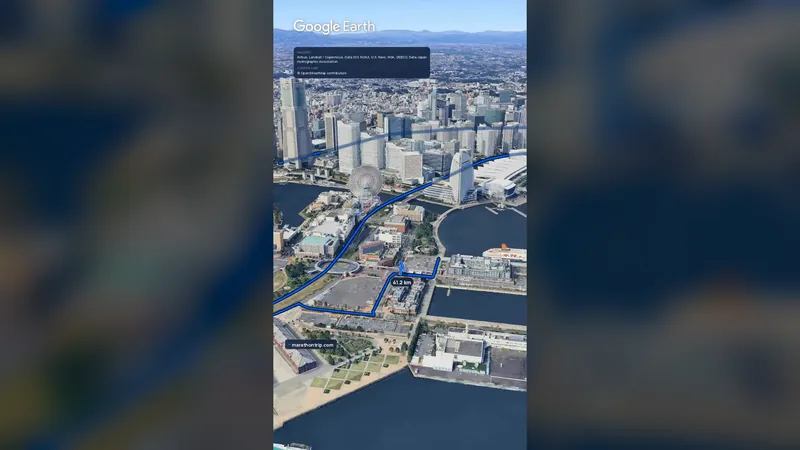
The Tokyo Marathon EXPO 2027 is in the South Halls of Tokyo Big Sight, at 3-11-1 Ariake,
Koto-ku, on the bay and well away from the start. It is open on Thursday 4 and Friday 5 March
from 10am to 9pm, and on Saturday 6 March from 10am to 6pm, with admission free. Packet pick-up
inside runs from 10am to 8.30pm on the first two days and closes at 5.30pm on the Saturday.
The rules are strict. Every runner collects in person, there is a photo-ID check, nobody can
collect for you, and there is no pick-up on race day: a runner who does not collect in those
three days cannot start. You are given a wristband at pick-up that stays on until the finish.
The full list of what to bring will be in the Runner Guidebook, which the organiser expects in
mid-February 2027.
Around the race
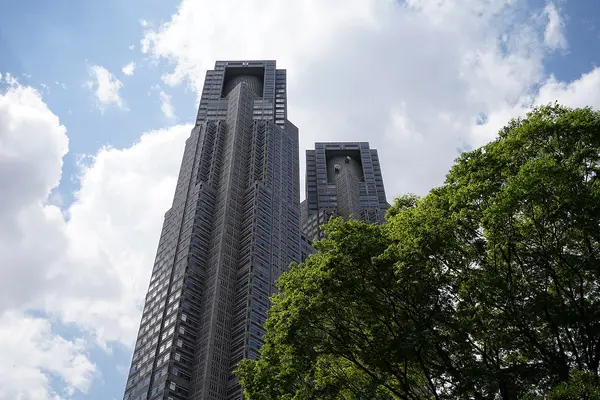
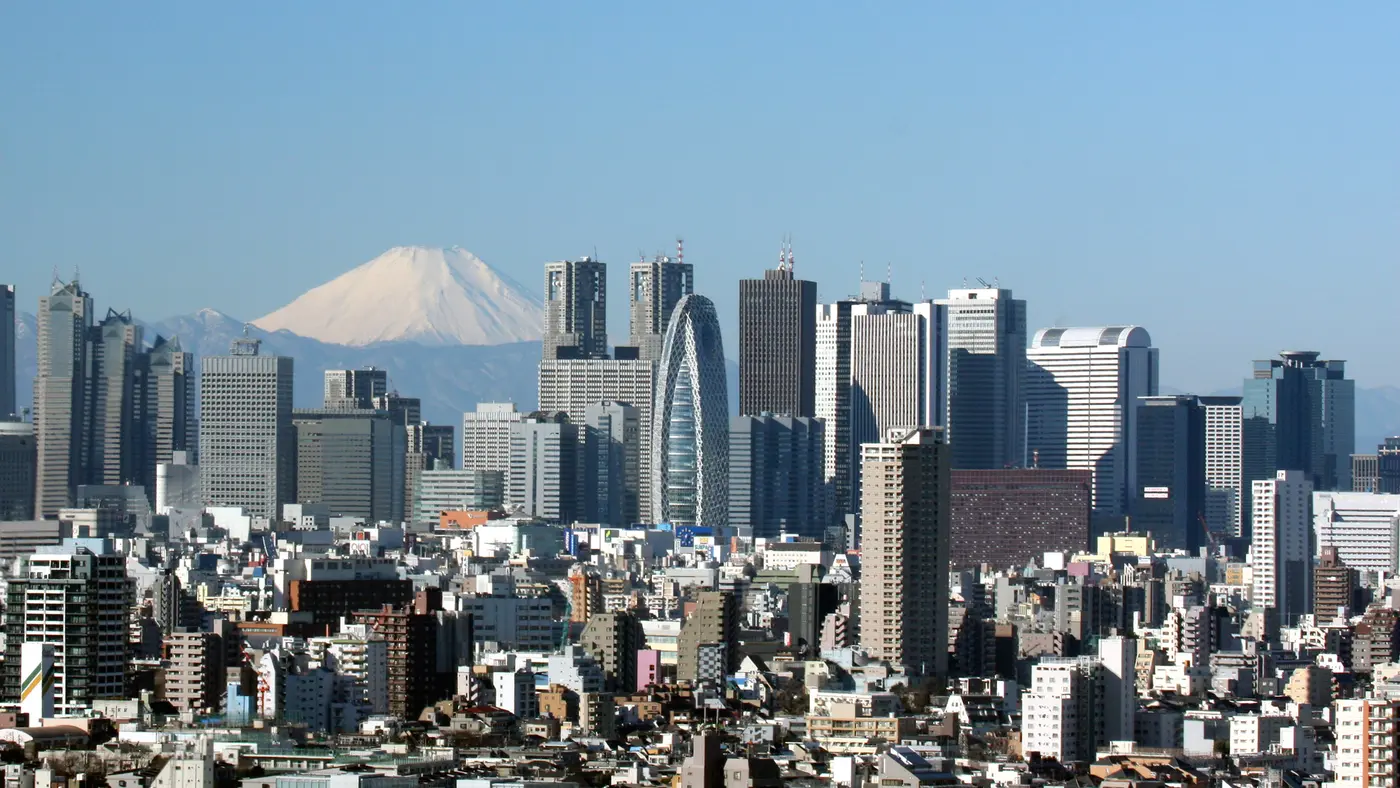
For the 20th edition the organiser runs Tokyo Marathon Square from 5 to 7 March at the Shinjuku
Sumitomo Building’s Sankaku Hiroba, near the start line, with open press conferences, symposia
and a post-run party; session times are still to come. On Saturday 6 March the Friendship Run,
an approximately 5 km fun run, goes off in three groups at 10am, 11.30am and 1pm from the
Taito River Side Sports Center athletics field. A Blue Impulse demonstration flight is planned
for race day, with its time and route not yet announced.
Race morning
The wheelchair marathon starts at 9.05am and the marathon at 9.10am. Your entry gate and
starting corral are assigned to you and cannot be changed for any reason. The times that matter
most on the morning, when the gates open and when the corrals close, are not out yet: like the
start-area layout, they go into the Runner Guidebook in mid-February. A start-area medical
station is provisionally open from 7am to 10am.
Bag drop
Baggage check is not included. In 2027 it is an optional extra of USD 12 (JPY 1,200) that had
to be chosen at entry and cannot be added afterwards. Its hours and location will be in the
Runner Guidebook.
Aid on the course
The 2027 aid stations are not published yet. In 2026 there were 15, at km 5, 7, 10, 12, 15, 17,
20, 22, 25, 27, 30, 32, 35, 38 and 40. Most served Pocari Sweat and water, km 7 and km 12 had
water only, and km 20, 25 and 30 added sponges. Five Omotenashi Aid points, at km 17, 22, 27, 32
and 38, handed out food that included pickled plum, chocolate, a cream-filled roll and a
doll-shaped pancake. A sign stood 150 to 300 m before each station. Medical stations on the
course stay open from the first runner until about 15 minutes after the last has passed, and
runners with a disability may run with one guide runner.