
Entry through the organiser
Entry details on the organiser’s site →
The organiser, a third party. We take no entries and have no part in the race.
 Marathon Trip
Your trips on every device: sign in, or make a free account when you save one.
Signed in on this browser.
Sign in My marathons Account and dataLocked out? An export link you keep still opens your list in any browser.
No account: email it to me
One email with this trip and a link to open it again. We do not keep the address and send nothing else.
Only a race from our list can be emailed. An account keeps this one.
What we keep, and what we do notCheck your inbox at to confirm it.
Browse the racesEach edition the day it comes out, and nothing else. Off again with one click. How it is kept.
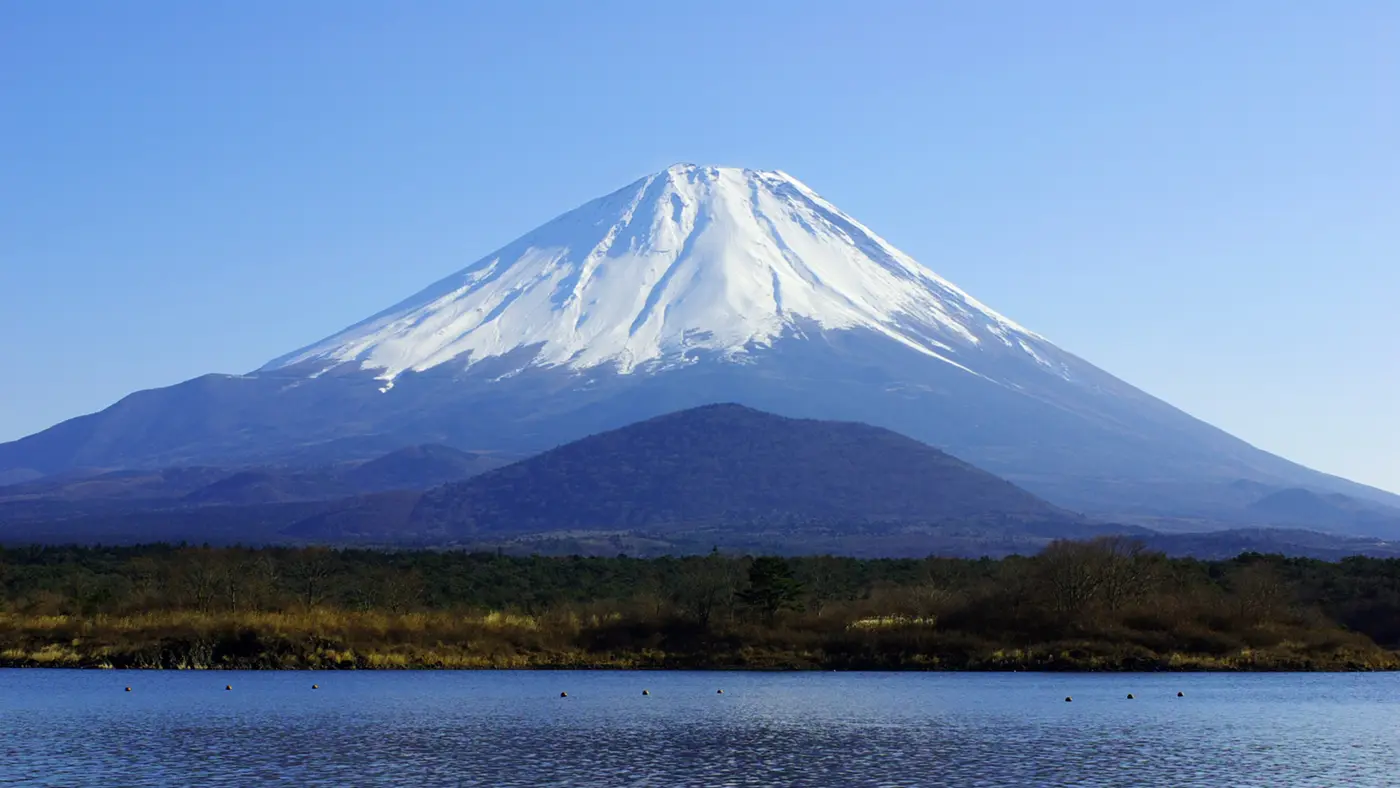
The 2026 Fuji Mountain Race ran about 21 km with a height difference of about 3,000 m from Fujiyoshida City Hall up the Yoshidaguchi trail to the summit, or about 15 km and 1,480 m to the fifth station.
Both courses start at Fujiyoshida City Hall and follow the Yoshidaguchi trail. The summit course is about 21 km with a height difference of about 3,000 m, the fifth station course about 15 km with about 1,480 m, according to the organiser. The 79th edition was held on Friday 24 July 2026, with the summit start at 7:00 and the fifth station start at 8:30.
Sourced
On the summit course the organiser set no cut-off at Umagaeshi, then 9:15 at the fifth station, 11:00 at the eighth station (Fuji-san Hotel) and 11:30 at the summit. Runners without a helmet between the sixth station and the summit are disqualified, and the race supplies helmets. Poles and walking sticks are banned. The fifth station course had a 10:30 cut-off at Umagaeshi and a noon limit at the fifth station. Entry to the summit course in 2026 required a fifth station time of 2 hours 20 minutes or faster in one of the three previous editions.
Sourced
Entry through the organiser
The organiser, a third party. We take no entries and have no part in the race.
More races to look at after the Fuji Mountain Race.
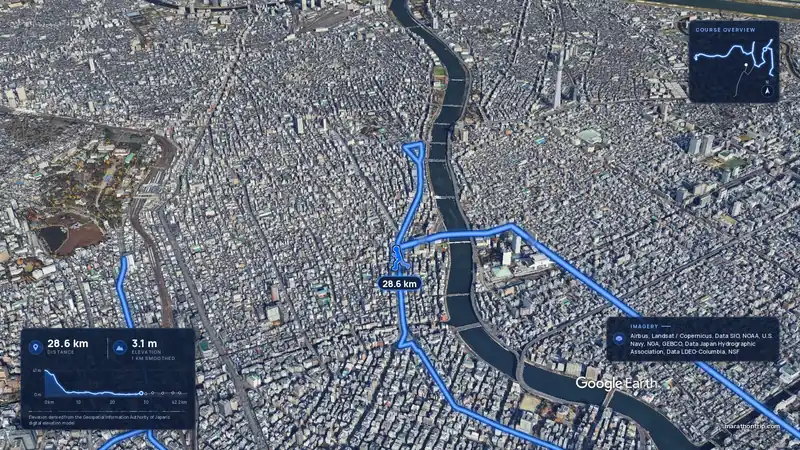 Imagery: Google Earth4:01 film
Tokyo, Japan
Sun 7 Mar 202742.2 kmClimb 16 m
Climb summed after smoothing the heights over 1 km. The edge is this course's height profile on one scale for every race: 250 m above its lowest point fills it.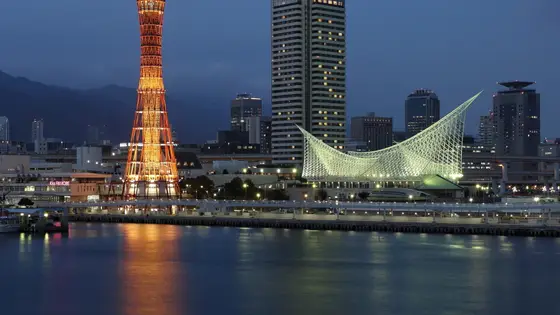
Kobe, Japan
Sun 15 Nov42.2 kmClimb 33 m
Climb summed after smoothing the heights over 1 km. The edge is this course's height profile on one scale for every race: 250 m above its lowest point fills it. Photo: Kobe, by Martin Falbisoner, CC BY-SA 4.0, via Wikimedia Commons.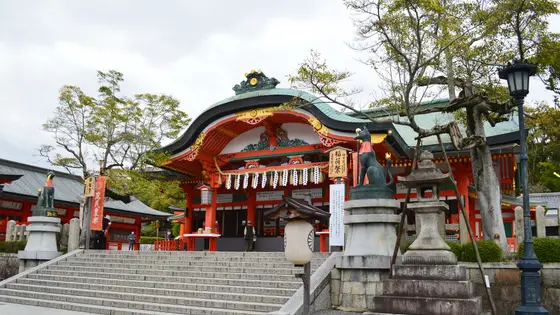 Entry open
Kyoto, Japan
Sun 21 Feb 202742.2 kmClimb 144 m
Climb summed after smoothing the heights over 1 km. The edge is this course's height profile on one scale for every race: 250 m above its lowest point fills it. Photo: Fushimi Inari-taisha, by Saigen Jiro, CC0, via Wikimedia Commons.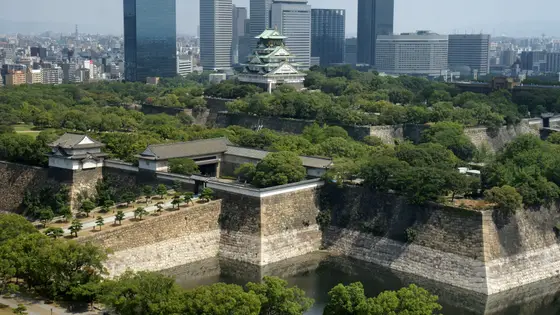
Osaka, Japan
Sun 28 Feb 202742.2 kmClimb 34 m
Climb summed after smoothing the heights over 1 km. The edge is this course's height profile on one scale for every race: 250 m above its lowest point fills it. Photo: Osaka Castle, by 663highland, CC BY 2.5, via Wikimedia Commons.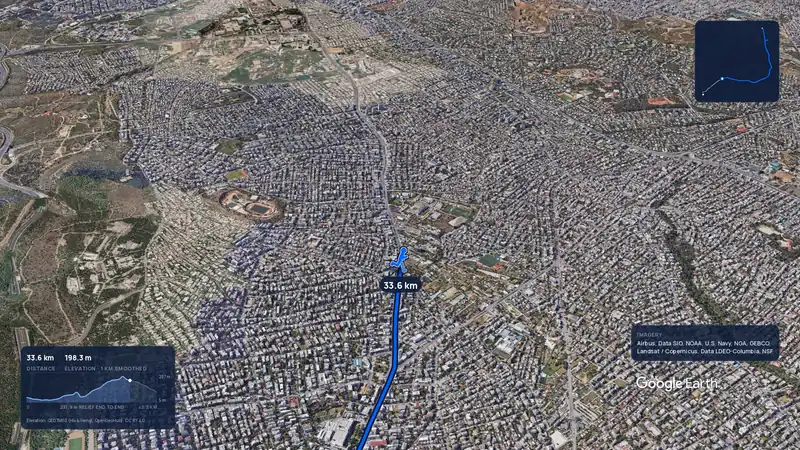 Imagery: Google Earth3:56 filmRace week
Athens, Greece
Sun 8 Nov42.2 kmClimb 281 m
Climb summed after smoothing the heights over 1 km. The edge is this course's height profile on one scale for every race: 250 m above its lowest point fills it.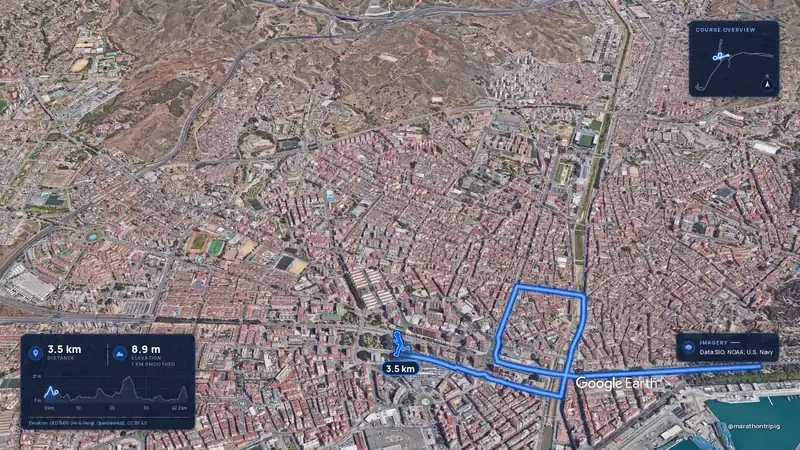 Imagery: Google Earth3:50 filmRace week
Malaga, Spain
Sun 8 Nov42.2 kmClimb 63 m
Climb summed after smoothing the heights over 1 km. The edge is this course's height profile on one scale for every race: 250 m above its lowest point fills it.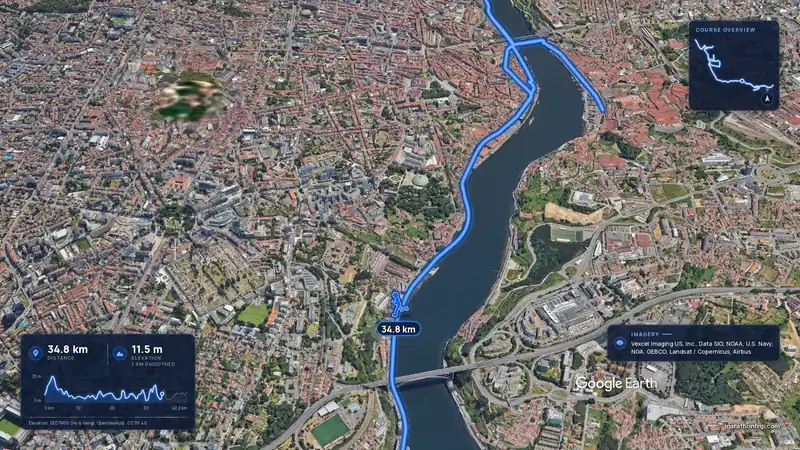 Imagery: Google Earth3:53 filmRace week
Porto, Portugal
Sun 8 Nov42.2 kmClimb 133 m
Climb summed after smoothing the heights over 1 km. The edge is this course's height profile on one scale for every race: 250 m above its lowest point fills it.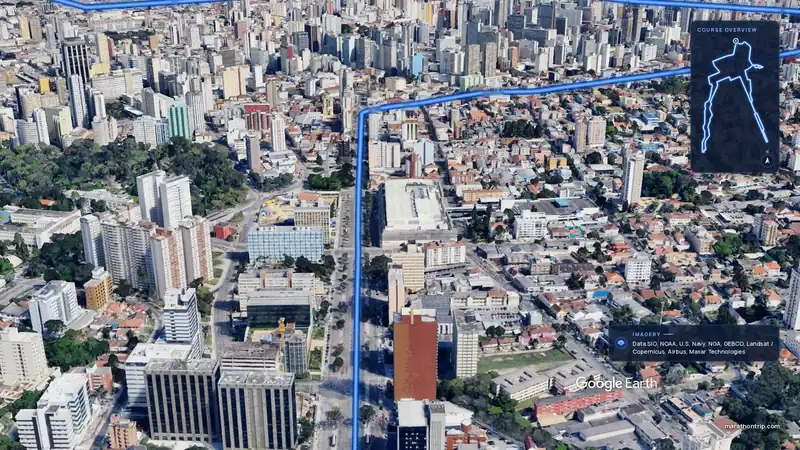 Imagery: Google Earth3:51 filmEntry open
Curitiba, Brazil
Sun 15 Nov42.2 kmClimb 128 m
Climb summed after smoothing the heights over 1 km. The edge is this course's height profile on one scale for every race: 250 m above its lowest point fills it.