Photo: Daniel from Glasgow, United Kingdom, CC BY 2.0
Photo: S.J. de Waard, CC BY 3.0
Photo: JakobHosp, CC BY 4.0
Photo: Guilhem Vellut from Annecy, France, CC BY 2.0
Photo: User:Ivory, Public domain
Photo: Wikifrits, Public domain
km 0mile 0
The start, at the foot of the Erasmus Bridge
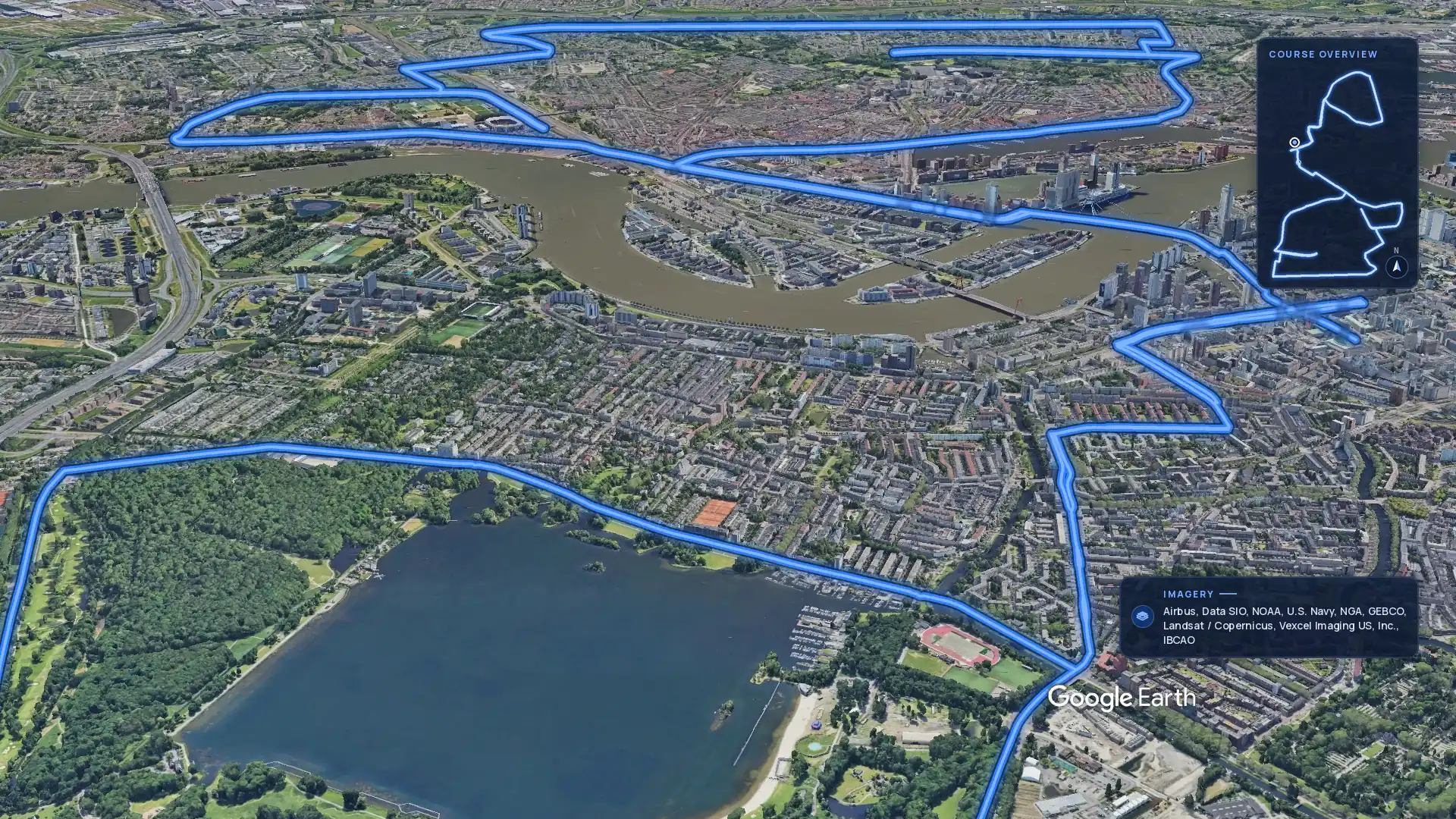
The marathon starts on the Schiedamsedijk and runs straight onto the Erasmus Bridge; the first wave went at 10:00 in 2026 and the fifth at 10:28. The start moved here from the Coolsingel in front of the city hall in 2018.
Photo: Wikifrits, Public domain
km 0.6mile 0.4
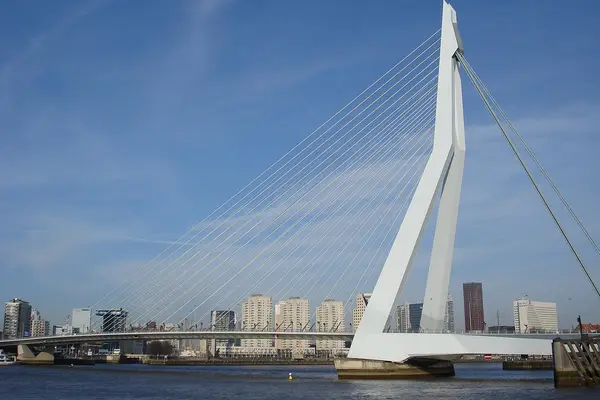
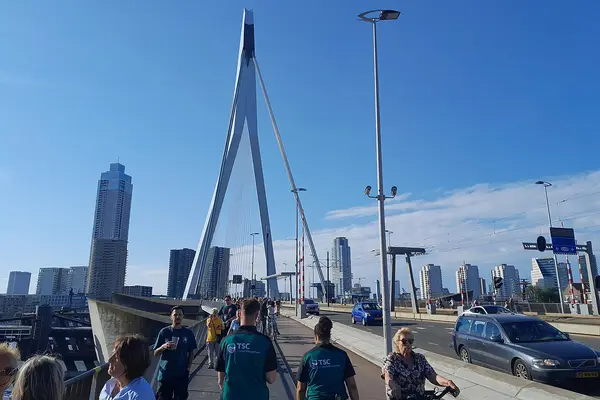
Over the Erasmus Bridge
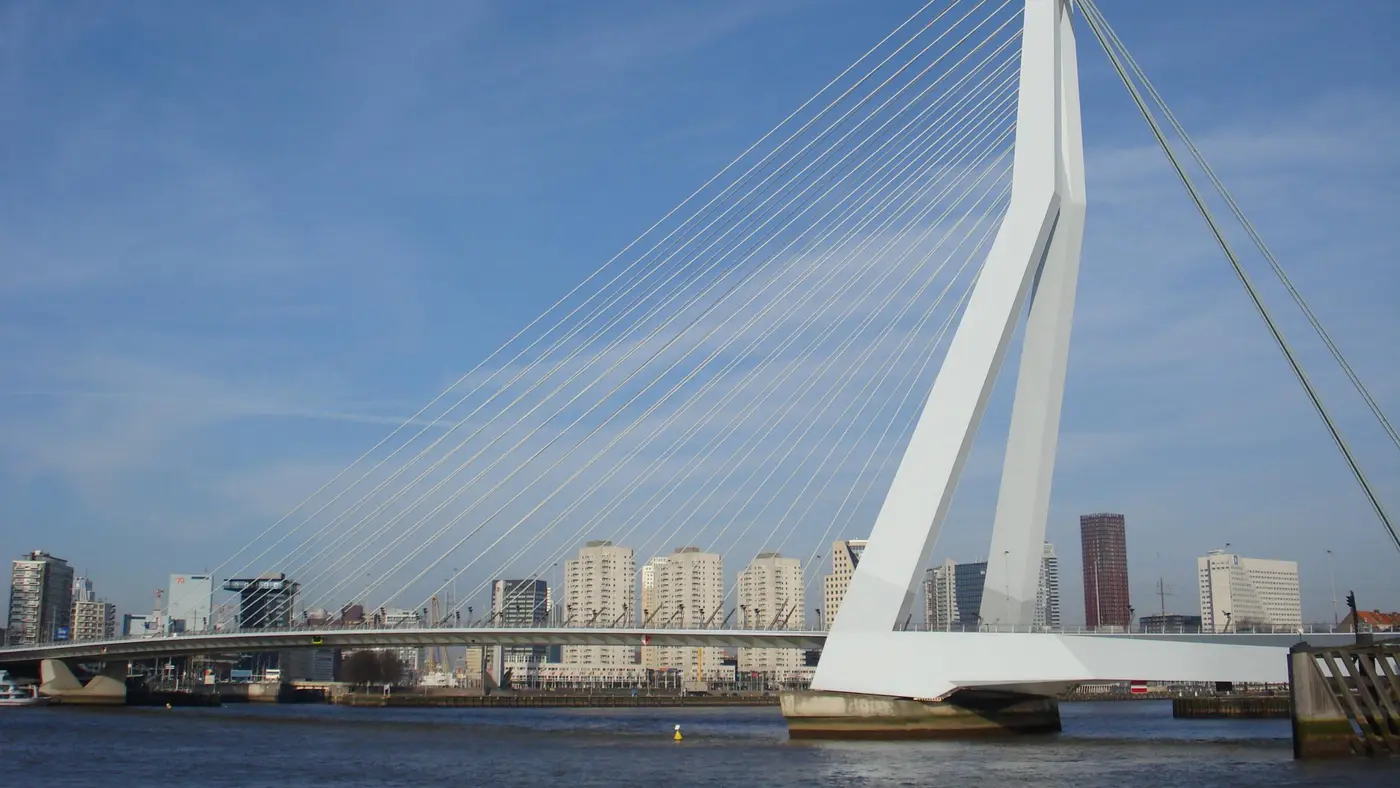
The 802 m bridge over the Nieuwe Maas, designed by Ben van Berkel and opened by Queen Beatrix on 6 September 1996; its 139 m asymmetric pylon gives it the nickname De Zwaan, the Swan. The course crosses it southbound in the first kilometre and comes back over it at about 26.7 km.
Photo: F.Eveleens, CC BY 3.0
km 1mile 0.6
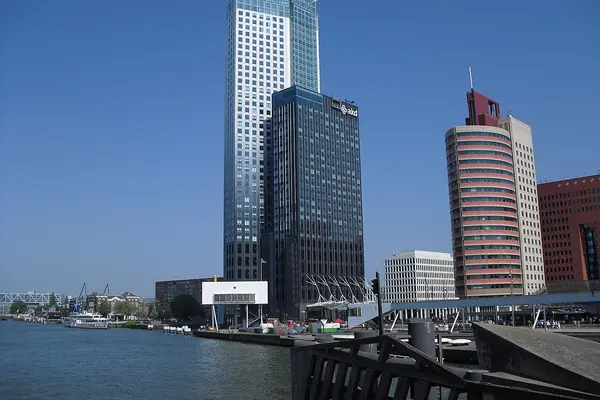
The Kop van Zuid towers
The old port piers south of the river, redeveloped from the late 1980s, with the Erasmus Bridge built to join them to the centre. The course runs along the Wilhelminakade and down the Laan op Zuid below the Maastoren and past De Rotterdam.
Photo: Rottermaas, Public domain
km 3.6mile 2.2
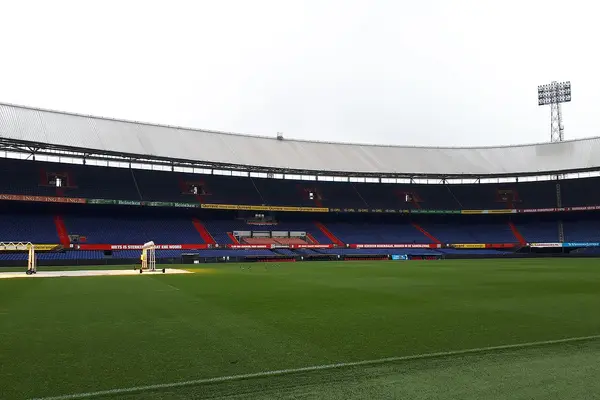
Stadion Feijenoord, De Kuip
Feyenoord's stadium, known as De Kuip, the Tub; designed by Van der Vlugt and opened in 1937. The course passes its north side on the Stadionweg at about 3.6 km and, new in 2026, turns back towards it between 7 and 11 km, a wide bend in front of the stadium at about 8.0 km.
Photo: Daniel from Glasgow, United Kingdom, CC BY 2.0
km 17.6mile 10.9
Oldegaarde, run both ways
New in 2026: the loop round the Zuiderpark, which had few spectators, was replaced by a double pass along the Oldegaarde around 20 km.
km 22.2mile 13.8
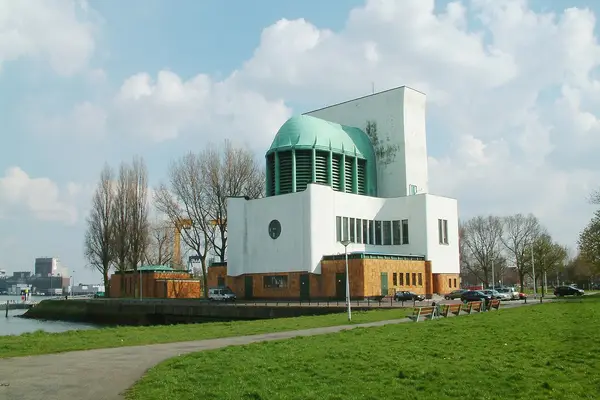
Over the Maastunnel
The course crosses the Maastunnelplein, the square built over the southern approach of the Maastunnel: the oldest immersed tunnel in the Netherlands, built 1937-1942 with separate tubes for cars, cyclists and pedestrians. The tunnel traffic runs under the square in a cutting.
Photo: S.J. de Waard, CC BY 3.0
km 26.9mile 16.7
Back over the Erasmus Bridge
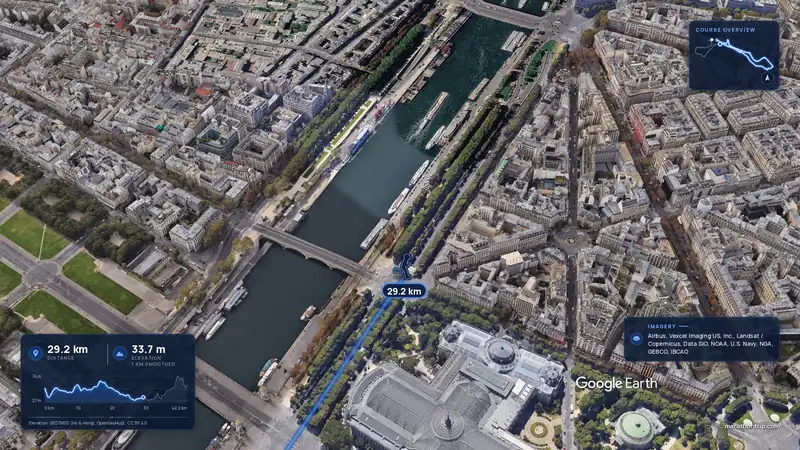
The second crossing, northbound, with the whole of the Kop van Zuid behind and the city centre ahead; runners have to be over the bridge towards the centre by 14:15. Off the bridge the course passes De Zalmhaven, 205 m, the tallest building in the Netherlands since 2021.
Photo: JakobHosp, CC BY 4.0
km 29.3mile 18.2
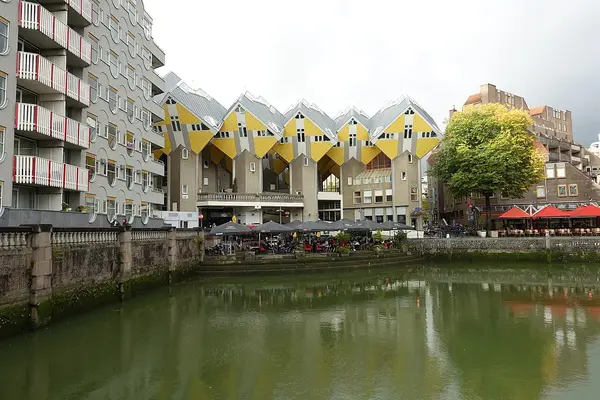
Under the cube houses
Piet Blom's 38 cube houses, tilted cubes on posts built 1982-1984 on the Overblaak, a viaduct that carries the complex over the Blaak. The course passes under them at about 29.2 km and again at about 41.2 km on the way to the finish.
Photo: Guilhem Vellut from Annecy, France, CC BY 2.0
km 37.2mile 23.1
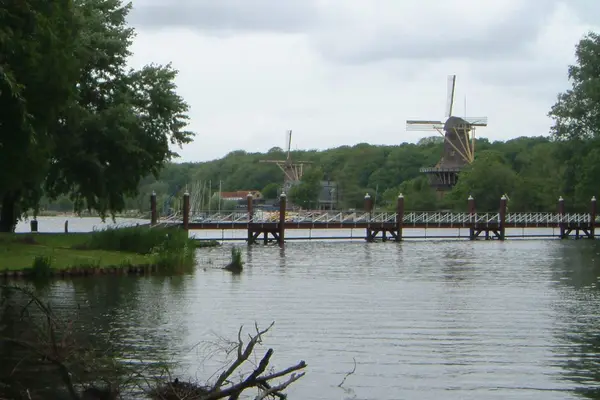
Round the Kralingse Plas
A lake of about 100 ha dug out for peat; it was the only one of fifteen peat lakes north of the 's-Gravenweg spared when the rest were drained in 1865-1876.
Photo: User:Ivory, Public domain
km 42.2mile 26.2
The finish on the Coolsingel
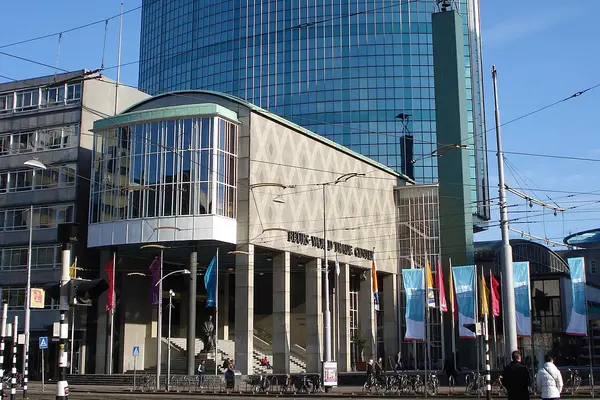
In 2026 the finish line moved south along the Coolsingel from in front of the city hall to the Beursplein beside the World Trade Center, because of works on the Hofplein; the 2027 map is not yet published.
Photo: Wikifrits, Public domain
Height drawn many times taller than life. Heights: Actueel Hoogtebestand Nederland (AHN4).
0 10 20 30 40 km
0 10 20 26.2 mi
Dashed: bridge
flat all the way
Your 5 gels, at the orange marksFor a 4:00 finish, one every 40 minutes
The course crosses the Maastunnelplein, the square built over the southern approach of the Maastunnel: the oldest immersed tunnel in the Netherlands, built 1937-1942 with separate tubes for cars, cyclists and pedestrians.
A lake of about 100 ha dug out for peat; it was the only one of fifteen peat lakes north of the 's-Gravenweg spared when the rest were drained in 1865-1876.
In 2026 the finish line moved south along the Coolsingel from in front of the city hall to the Beursplein beside the World Trade Center, because of works on the Hofplein.
Rotterdam is as flat as a marathon gets, and still not quite a flat road. From its highest point
to its lowest is only 10.5 m, and about 61% of the course runs below Dutch sea level. The only
climbs are bridges, and the one that matters is the Erasmus Bridge, which the race crosses twice:
once in the first kilometre, when everyone is fresh and packed together, and again at km 26.6,
when its deck rises 11.8 m in half a kilometre and every runner is past the point where pace
comes free. The first half stays south of the river, in Rotterdam-Zuid. The second half brings
the race back over the bridge, out round the Kralingse Plas and home along the Blaak.
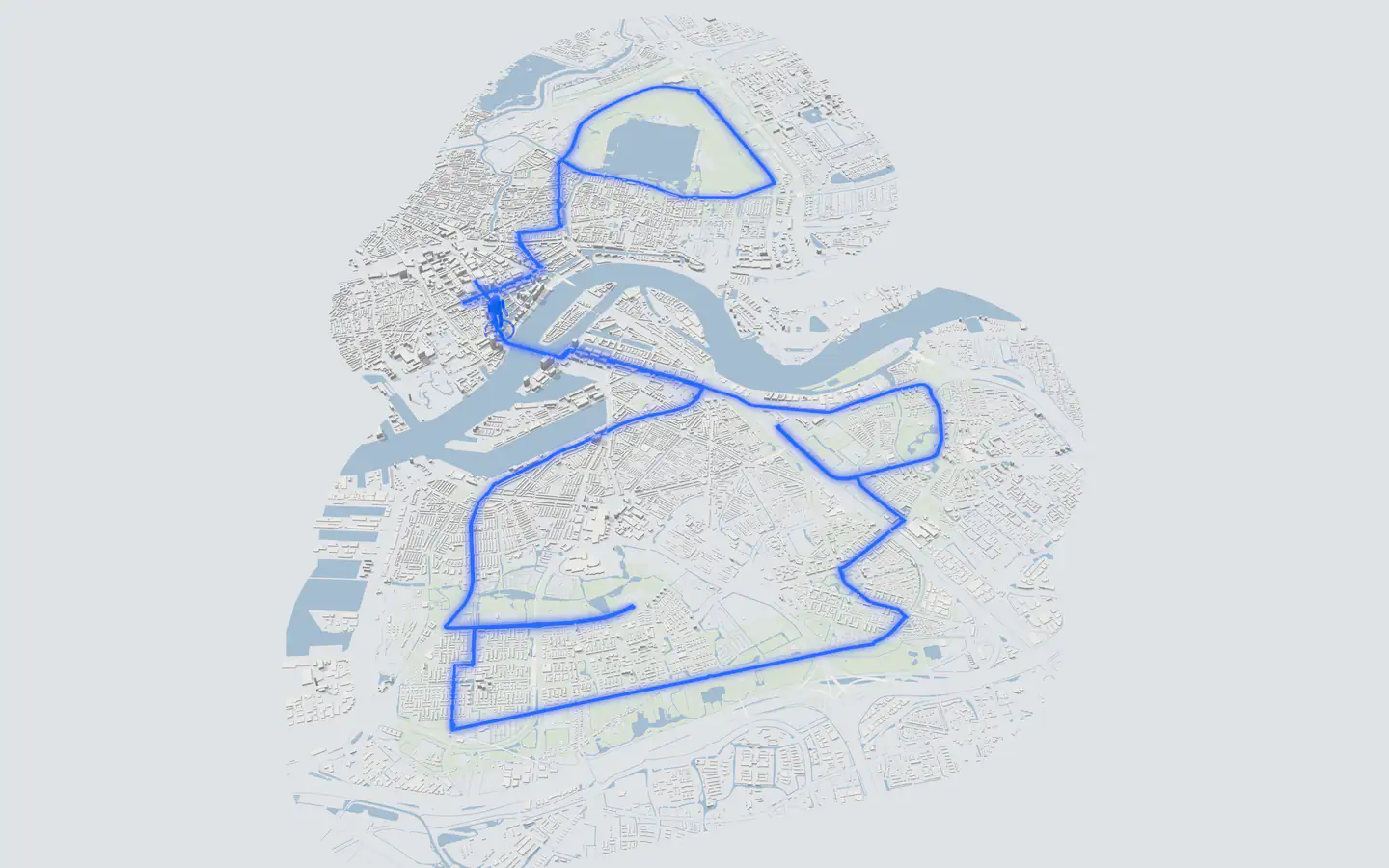
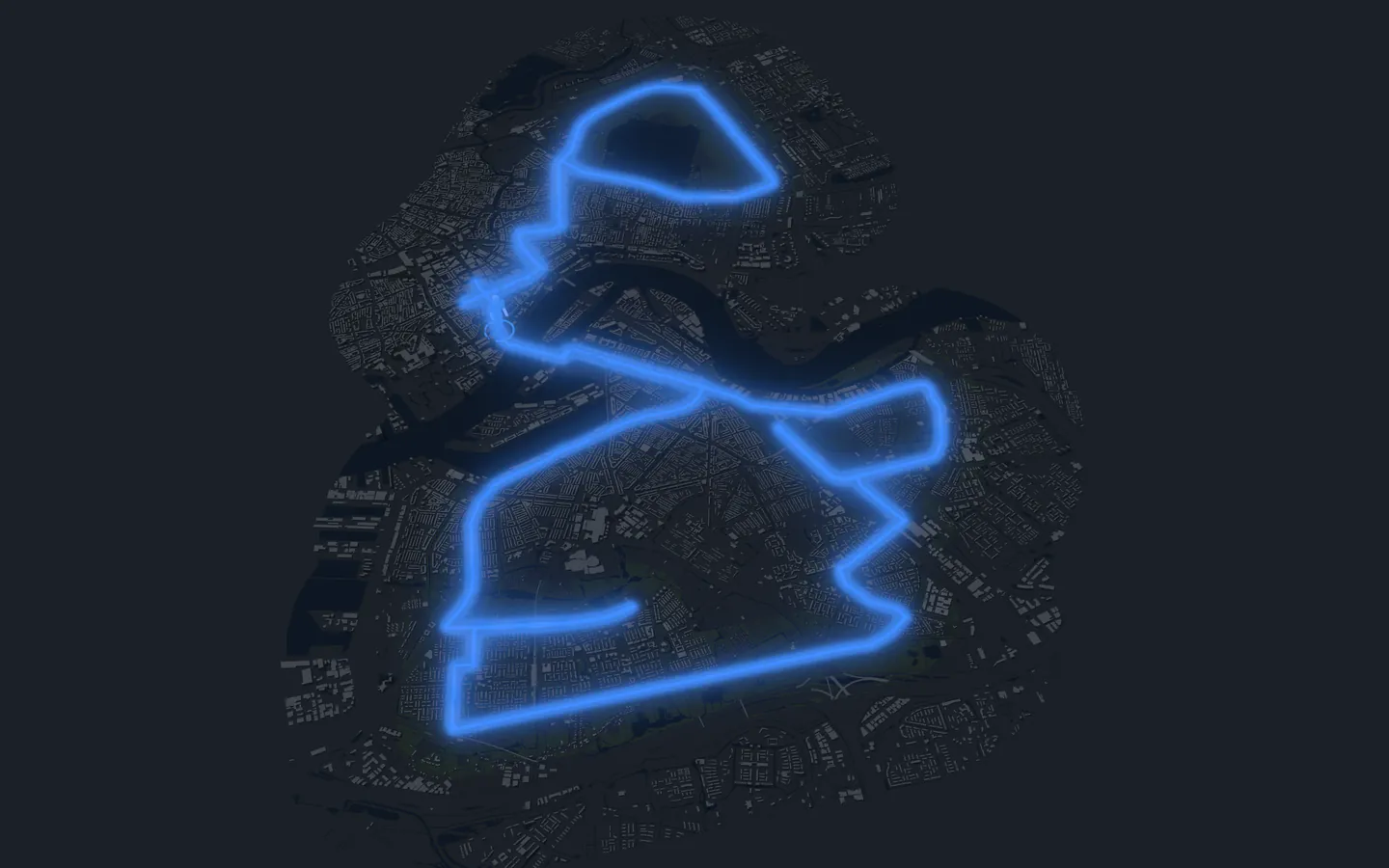
The course is one loop, starting at the foot of the Erasmus Bridge on the Schiedamsedijk and
finishing on the Coolsingel. The kilometres and heights below are measured along the organiser’s
2026 course, on the Netherlands’ national lidar elevation model. The organiser has not
published the 2027 course map, so check its
course page before you plan your pacing.
Km 0 to 3: the bridge and the Kop van Zuid
km 1.0 The Kop van Zuid towers
Km 0.0 The start, at the foot of the Erasmus Bridge
Photo: Wikifrits, Public domainKm 0.6 Over the Erasmus Bridge
Photo: F.Eveleens, CC BY 3.0
The start, at 5.6 m above NAP, is the highest ground of the whole race. Beside it stands Henk
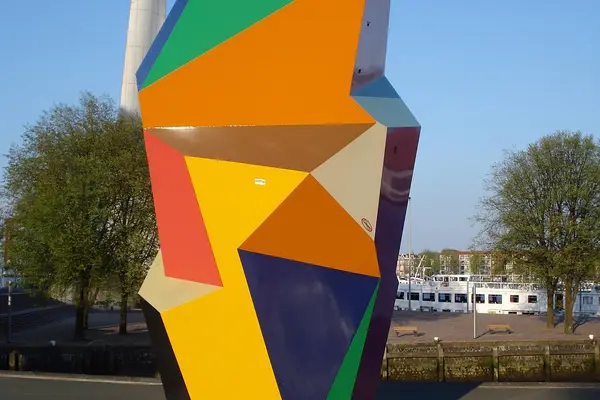
Visch’s Marathonbeeld (2001), whose plinth carries the name of every winner. The course runs
straight onto Ben van Berkel’s Erasmus Bridge, opened in 1996, and over the Nieuwe Maas between about km 0.1 and km 0.8, the
deck rising 10.1 m to its crown. On the south bank it runs along the Wilhelminakade and then
east on the Laan op Zuid, past the towers of the Kop van Zuid. The Varkenoordse viaduct over the
railway, from about km 2.6 to km 2.9, adds a 6 m rise. With the first waves packed onto the
bridge, the opening kilometre is rarely the place to bank time.
Km 3 to 11: De Kuip, twice
Km 3.6 Stadion Feijenoord, De Kuip
Photo: Daniel from Glasgow, United Kingdom, CC BY 2.0
The Stadionweg takes the course past the north side of De Kuip, Feyenoord’s stadium, at about
km 3.6. From there it runs through Rotterdam-Zuid on the John F. Kennedyweg, the Adriaan
Volkerlaan and the Olympiaweg. Since 2026 the course turns back toward the stadium between about
km 7 and km 11, with a wide bend in front of it at about km 8. The course drops below sea level at
about km 5.7, and from km 8.3 it stays there for 13.5 km without a break.
Km 11 to 21: the Havenspoorpad and the Oldegaarde
km 17.6 Oldegaarde, run both ways
The Smeetslandseweg, Spinozaweg and Pascalweg lead to the Havenspoorpad, which carries the race
west for about 4.4 km, from about km 11.6 to km 16. The Krabbendijkestraat, the Slinge and the
Kerkwervesingel then bring it to the Oldegaarde, run out and back since 2026: east from about
km 17.3, a turn at about km 18.8, and back past the 20 km marker. This double pass replaced a
loop round the Zuiderpark, which had few spectators. Halfway falls on the Groene Kruisweg. This
is the quietest, flattest part of the race, just below sea level from end to end, and the place
to settle into an even rhythm.
Km 21 to 27.3: north to the river and back over the bridge
Km 22.2 Over the Maastunnel
Photo: S.J. de Waard, CC BY 3.0Km 26.9 Back over the Erasmus Bridge
Photo: JakobHosp, CC BY 4.0
The Dorpsweg leads north to the Maastunnelplein at about km 22.2, the square over the southern
approach of the Maastunnel. The course is back above sea level from about km 21.8, for the
first time since km 8.3. The Brielselaan, Putselaan, Hilledijk and Laan op Zuid bring it west along the river, and
at about km 26.6 it climbs back onto the Erasmus Bridge. The deck rises from 4.4 m above NAP to
16.2 m at its crown at about km 27.1, 11.8 m in about half a kilometre, the biggest single
climb on the course, and it comes down to 5.7 m by about km 27.5. In 2026 every runner had to be
over the bridge toward the centre by 2.15pm.
Km 27.3 to 31.6: the centre and the cube houses
Km 29.3 Under the cube houses
Photo: Guilhem Vellut from Annecy, France, CC BY 2.0
Off the bridge, the course runs north along the Schiedamsedijk, makes a short out-and-back on
the Westblaak, and turns east along the Blaak. At about km 29.2 it passes under Piet Blom’s cube
houses, which stand on a viaduct over the road, with the Markthal just off the course. The
Mariniersweg, Vondelweg and Warande and the Boezem streets then lead it north-east, dipping
below sea level again at about km 29.9.
Km 31.6 to 38.5: round the Kralingse Plas
Km 37.2 Round the Kralingse Plas
Photo: User:Ivory, Public domain
The course loops the Kralingse Plas and the Kralingse Bos, a lake and its woods, on the Bosdreef,
the Boszoom, the Kralingseweg and the Kralingse Plaslaan. The organiser places km 34, which it
calls the man with the hammer, on the far side on the Boszoom, and the lowest point of the race,
4.9 m below sea level, comes at about km 34.6. This is the longest stretch away from the city
centre and its crowds.
The organiser’s gel zone is here too, at km 34 on its event page and km 35 in its 2026 press kit.
Km 38.5 to the finish: back along the Blaak
Km 42.2 The finish on the Coolsingel
Photo: Wikifrits, Public domain
The Boezemlaan and the Boezem streets bring the course back the way it came, down the
Mariniersweg, and at about km 41.2 it passes under the cube houses a second time on the Blaak,
heading west. The road rises gently above sea level for the run-in, and the course turns past
the Churchillplein onto the Coolsingel. In 2026 the finish line moved from in front of the city
hall south to the Beursplein, beside the World Trade Center, because of works on the Hofplein.
The finish is 1.7 m above NAP, nearly 4 m below the start.
At a glance
distance
42.2 km26.2 mi
Loop, asphalt
climb
27.9 m92 ft
Highest point 11 m above lowest
finishers
16,837
Finishers in 2023
first held
1981
A flat loop through the Netherlands' busiest port city, crossing the Erasmus Bridge twice and finishing on the wide curve of the Coolsingel in the city centre.
The Rotterdam Marathon is a flat loop of 42.2 km with 27.9 m of climbing. Its lowest point is 5 m below sea level and its highest 6 m above it. Next race: Sunday 11 April 2027.
Race week
Timetable
Saturday 10 April The day before
Time not published
The Marathon Rotterdam Urban Walk (5, 10 and 15 km)Saturday programme; start times not yet published. Registration is open.
Time not published
Your Marathon Challenge (final 1.195 km)Saturday programme; start time not yet published.
Time not published
NN Kids Runs (1 and 2.5 km)Saturday programme; start times not yet published.
Time not published
City Run (4.2 km)Saturday programme; start time not yet published.
Sunday 11 April Race day
Time not published
10 km RotterdamRuns on marathon Sunday; start times not yet published. Registration is open.
Time not published
Business Duo Marathon and Business Relay MarathonMarathon distance split between two (Duo) or four (Relay) runners, on marathon Sunday; start times not yet published.
Times as published by Golazo Nederland, in Rotterdam time, checked .
The forecast for Sunday
Race morning, on the record
We hold no start time for this race, so the record is read at 09:009:00 AM, local time.
The organiser had published the 2027 expo but little else of race week by the end of October
2026. Below is how race day ran in 2026, from the organiser’s
event information, with the 2027 details where
they exist. Check the page again in the weeks before the race.
The expo and your bib
Bibs are handed out at the Marathon Sport Expo at the Postillion Hotel and Convention Centre WTC
Rotterdam: on Friday 9 April 2027 from 10am to 8pm, on Saturday 10 April from 10am to 7pm, and
on race morning from 7am to 10am. The Sunday window closes at 10am, the time the first wave
started in 2026, so collect on the Friday or Saturday if you can. You need your
personal e-ticket, which in 2026 was sent a week before the race, and a physical form of photo
ID. Copies, photos and other reproductions of ID are not accepted. Someone else can collect your
bib if they bring your physical ID. The organiser says the expo is within walking distance of
both Rotterdam Centraal and Rotterdam Blaak stations.
The start and the waves
In 2026 the marathon started on the Schiedamsedijk in five waves, at 10:00, 10:07, 10:14, 10:21
and 10:28. The start area for wave 1 closed at 9.35am, and runners were allowed to start in a
later wave than their own. The organiser told marathon runners to take the metro to Beurs, the
closest station to the start.
The time limit was 5 hours 30 minutes, counted from the moment the last runner crossed the start
line, with halfway to be reached within 2 hours 45 minutes and the Erasmus Bridge crossed toward
the centre by 2.15pm.
Bag drop and changing
In 2026 the bag drop was in tents on the Schouwburgplein, open from 8am to 5pm, and only for
runners who had chosen it when they registered. Runners could change in De Doelen, entered from
the Kruisplein, from 8am to 5pm, but there were no showers.
Pacers and aid
The pacing team runs at target times from 3:00 to 5:00, two pacers per time, in white NN kit with
the target time on a sign: 3:00 and 3:10 in wave 1, 3:20 to 3:40 in wave 2, 3:50 in wave 3, 4:00
to 4:20 in wave 4, and 4:30 to 5:00 in wave 5. The organiser says pacers will be back for the
coming edition.
Water and an isotonic drink are handed out every 5 km from km 5 to km 40, with tea at km 25 and
bananas at km 20. Sponges are at km 12.5, 17.5, 22.5, 27.5, 32.5 and 37.5.
Trip
Getting a place
Entry dates published for the 2027 race As read 30 October 2026.
Next: entry opens, 2027 race, .
Past years and every way in
For the 2026 race it opened 9 September 2025 and closed 22 September 2025.
From Schiphol, the Intercity Direct reaches Rotterdam in about 25 minutes, twice an hour, and
carries a supplement on top of the normal fare between Schiphol and Rotterdam, per the city’s
visitor information. Rotterdam The
Hague Airport is 10 to 15 minutes from the centre by taxi, about 15
by RandstadRail, and 20 to 25 by bus 33.
Where to stay
The start, the finish, the expo and the bag drop all sit in or next to the city centre: the
Schiedamsedijk at the foot of the bridge, the Coolsingel and the Beursplein, and the
Schouwburgplein. Anywhere in the centre, between Rotterdam Centraal and the Blaak, puts all four
within walking distance. The Kop van Zuid, across the Erasmus Bridge, is the other natural base,
a short walk from the start over the bridge, though the bridge is part of the course on race
morning. The organiser gives no area advice of its own.
Race-day transport and closures
The organiser asks runners and spectators to use public transport as much as possible. Some car
parks around the start and finish are closed or only partly open on race day, and it points
drivers to the park-and-ride sites at Kralingse Zoom, Slinge and Alexander. Expect busy trains
on race weekend.
In 2026 the whole Coolsingel closed from 10am on the Friday to 11pm on the Sunday, the
Schiedamsedijk from 6am on the Saturday to 8pm on the Sunday, and no metros stopped at
Leuvehaven until 3pm on race day. The 2027 closures follow on the organiser’s
travel information page.
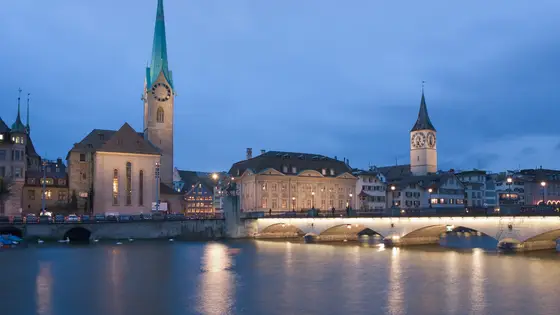
Climb summed after smoothing the heights over 1 km. The edge is this course's height profile on one scale for every race: 250 m above its lowest point fills it. Photo: Zürich, by Ikiwaner, CC BY-SA 3.0, via Wikimedia Commons.
Climb summed after smoothing the heights over 1 km. The edge is this course's height profile on one scale for every race: 250 m above its lowest point fills it.
Climb summed after smoothing the heights over 1 km. The edge is this course's height profile on one scale for every race: 250 m above its lowest point fills it.
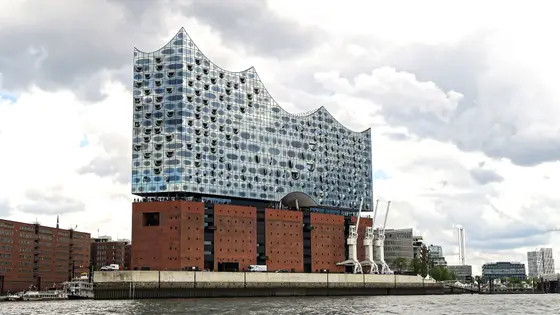
Climb summed after smoothing the heights over 1 km. The edge is this course's height profile on one scale for every race: 250 m above its lowest point fills it. Photo: Elbphilharmonie, by Burkhard Mücke, CC BY-SA 4.0, via Wikimedia Commons.
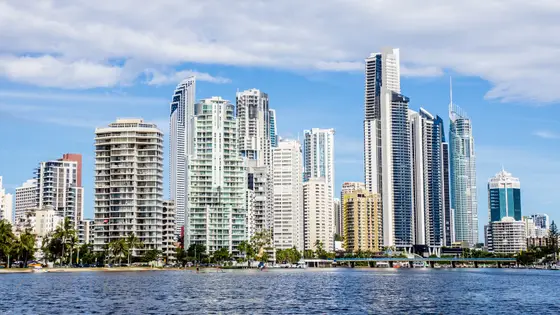
Climb summed after smoothing the heights over 1 km. The edge is this course's height profile on one scale for every race: 250 m above its lowest point fills it. Photo: Surfers Paradise, by chillmimi, CC BY 2.0, via Wikimedia Commons.
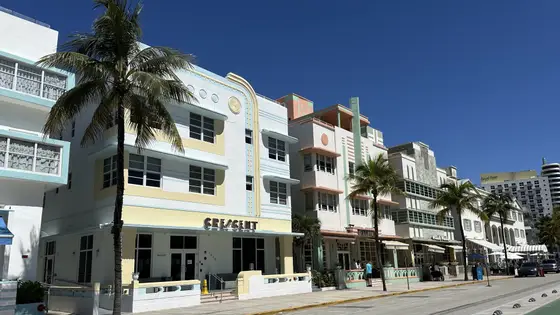
Climb summed after smoothing the heights over 1 km. The edge is this course's height profile on one scale for every race: 250 m above its lowest point fills it. Photo: South Beach, by Phillip Pessar, CC BY 4.0, via Wikimedia Commons.
Climb summed after smoothing the heights over 1 km. The edge is this course's height profile on one scale for every race: 250 m above its lowest point fills it. Photo: Pudong, by https://www.pxfuel.com/en/free-photo-ovozr, CC0, via Wikimedia Commons.
Questions about the Rotterdam Marathon
When is the Rotterdam Marathon 2027?
Sunday 11 April 2027, the 46th edition. The shorter events, including the kids' runs and the City Run, are on Saturday 10 April. The 2027 start time is not published yet; in 2026 the first wave went at 10am on the Schiedamsedijk.
How do I get a place in the Rotterdam Marathon 2027?
Through a free pre-registration, open from 20 October until 10am on 3 November 2026. Registration then opens on 4 November 2026, and places are allocated first come, first served, with half of all marathon places reserved for that first round. It is not a draw, unlike 2026. The 2027 entry fee and the number of places are not published yet.
Is the Rotterdam Marathon course flat?
Yes. From the highest point to the lowest is 10.5 m, and about 61% of the course, 25.7 km, runs below Dutch sea level (NAP). The biggest single climb is the Erasmus Bridge on its second crossing, from km 26.6, where the deck rises 11.8 m in about half a kilometre.
8 more questions
What is the time limit for the Rotterdam Marathon?
In 2026 it was 5 hours 30 minutes, counted from the moment the last runner crossed the start line. There were two intermediate limits: halfway within 2 hours 45 minutes, and over the Erasmus Bridge toward the city centre by 2.15pm. The 2027 limits are not published yet.
Where do I collect my bib for the Rotterdam Marathon?
At the Marathon Sport Expo in the Postillion Hotel and Convention Centre WTC Rotterdam: Friday 9 April 2027 from 10am to 8pm, Saturday 10 April from 10am to 7pm, and on race morning from 7am to 10am. Bring your personal e-ticket and a physical photo ID; copies and photos of ID are refused. Someone else can collect your bib with your physical ID.
How do I get to the start of the Rotterdam Marathon?
In 2026 the organiser advised marathon runners to take the metro to Beurs, the nearest station to the start on the Schiedamsedijk, and to travel by public transport wherever possible, since roads close and some car parks near the start and finish are shut.
How many times do you cross the Erasmus Bridge?
Twice. Southbound in the first kilometre, from about km 0.1 to km 0.8, and northbound from about km 26.6 to km 27.3, back toward the city centre.
How do I enter the Rotterdam Marathon?
The dates for entry for the 2027 race are out. It opens on 4 November 2026. There are 5 ways in: Pre-registration, then first come, Run against cancer, Super Marathon Masters, Fast runners and Dutch championships. Entry details on the organiser’s site
How many runners finish the Rotterdam Marathon?
16,837 runners finished in 2023.
What are the course records at the Rotterdam Marathon?
The first Rotterdam Marathon was run on 23 May 1981, and it has been held in April every year
since the third edition in 1984. John Graham of Scotland won the first race in 2:09:28 and Marja
Wokke of the Netherlands the women’s race in 2:43:23. The start moved from the Coolsingel, in
front of the city hall, to the foot of the Erasmus Bridge in 2018.
Rotterdam has long been a race for fast times. In 2009 Duncan Kibet and James Kwambai both ran
2:04:27. In 2012 the race had an IAAF Gold Label, and Tiki Gelana set a women’s course record
that lasted fourteen years. In 2007 the race was stopped after about three and a half hours, in
heat Wikipedia records as the warmest ever measured in the city in April.
The field is now capped. Wikipedia counts 14,554 finishers in 2019, 11,722 in 2022 and
16,837 in 2023. The 2025 race sold out in two and a half hours, and for 2026 the organiser kept
the marathon at 18,000 places and drew them by lot from nearly 50,000 pre-registrations. The
2026 weekend had 51,000 participants across all its events. For 2027 entry goes back to
first come, first served.
The men’s course record is Bashir Abdi’s 2:03:36 from 2021, which was also a European record.
The women’s is new: in 2026 Mekides Shimeles ran 2:18:56, two seconds faster than Gelana’s
2012 mark, per World Athletics.
The men’s race that day went to Guye Adola of Ethiopia in 2:03:54.